
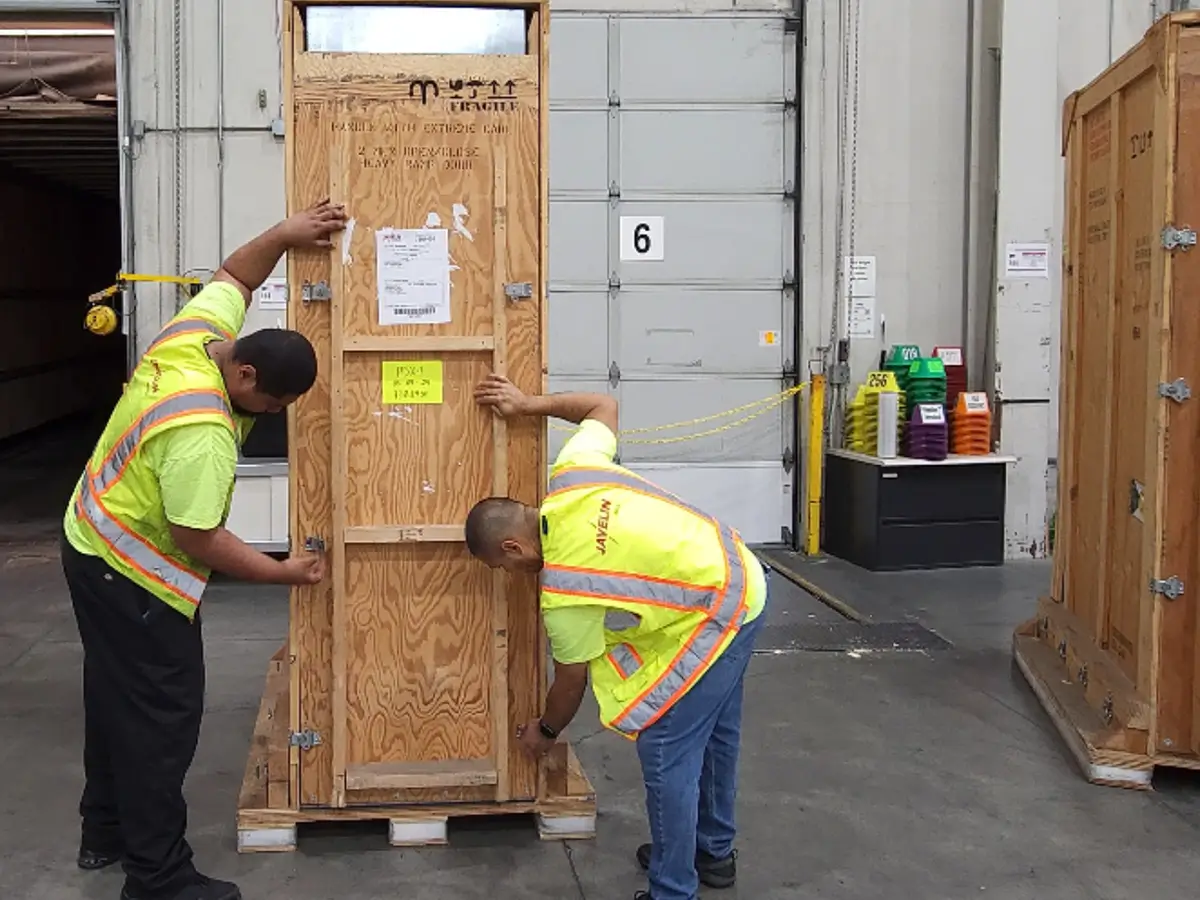
Moving heavy equipment requires more than transportation alone. It demands precise coordination, careful execution, and specialized expertise to ensure every phase of the move is safe and compliant. Whether machinery is relocated within an operating facility or transported across regions, considerations such as weight, access, regulatory requirements, and timing must be managed with precision. As such, businesses working with experienced machinery riggers near me benefit from protected assets, reduced operational risk, and uninterrupted workflows throughout the relocation process.
Key Considerations for Safe Equipment Relocation
Heavy equipment encompasses machinery, equipment, or vehicles that are large, weight-intensive, or require specialized handling. Examples include construction machinery, industrial manufacturing equipment, and large-scale agricultural tools. Moving these machines safely demands attention to both technical and regulatory factors.
- Weight and dimensions: Accurate measurements ensure compliance with transport regulations, prevent damage, and help determine the correct lifting and transport method.
- Structural integrity: Proper support and rigging prevent machinery deformation and reduce risks to personnel during handling.
- Permitting and regulations: Oversized or overweight equipment often requires special permits and route approvals from local and state authorities.
- Specialized equipment: Cranes, forklifts, rigging hardware, and securing tools are essential for safe loading, transport, and unloading.
Working with Los Angeles logistics professionals experienced in industrial machinery movement ensures these elements are coordinated seamlessly, reducing risk and potential disruptions.
Planning the Move: A Step-by-Step Approach
Heavy equipment relocation requires a structured, step-by-step approach to maintain safety, efficiency, and operational continuity.
1. Site Assessment
A thorough site assessment examines both pickup and destination locations for access points, floor load capacity, ceiling heights, and maneuvering space. Early evaluation helps heavy equipment movers Los Angeles identify physical constraints, confirm entry and exit paths, and determine the equipment and rigging techniques necessary for a safe move.
2. Equipment Evaluation
Equipment evaluation focuses on the machinery itself. Teams document weight distribution, balance points, and fragile or sensitive components. Understanding how equipment operates allows the selection of appropriate lifting methods, transport vehicles, and protective measures, reducing the likelihood of damage during relocation and ensuring compatibility with facility conditions.
3. Route Planning
Route planning is essential for moves that extend beyond a single facility. This involves identifying restricted roads, bridges, or low-clearance areas; securing required permits; and scheduling transport to minimize traffic congestion. Businesses leveraging Los Angeles logistics expertise gain valuable knowledge that helps prevent delays, avoid regulatory issues, and ensure equipment moves efficiently across urban or regional routes.
4. Selecting the Right Team
Choosing the right team is critical to safely managing heavy equipment moves. A skilled team includes certified machinery riggers, experienced transport operators, and on-site supervisors who coordinate lifting, transport, and placement. Clear communication and strict adherence to industry and regulatory standards reduce operational risk and ensure each phase is executed correctly.
5. Execution and Monitoring
The execution phase requires continuous monitoring from lifting to final placement. Los Angeles logistics teams verify load stability, secure machinery, and observe route conditions in real time. This oversight allows for immediate responses to unexpected challenges, such as equipment malfunctions, road closures, or environmental hazards, while protecting personnel, assets, and infrastructure.

Safety Protocols for Equipment Relocation
Safety is a core priority in every heavy equipment move. Machinery riggers near me implement strict protocols that include:
- Proper PPE for all personnel involved in lifting, loading, and transport.
- Securing machinery with custom crating, supports, or tie-downs to prevent shifting.
- Confirming transport vehicles comply with weight and safety regulations.
- Continuous monitoring throughout loading, transit, and unloading.
These measures minimize accidents, prevent equipment damage, and support operational continuity.
Heavy Equipment Moving Across Key Industries
Equipment moves vary widely across industries, as operational requirements, regulatory standards, and equipment sensitivity differ. Industry-specific expertise ensures moves are efficient, compliant, and minimize disruption.
Manufacturing and Industrial Operations
Manufacturing environments often involve high-value machinery and tightly coordinated workflows. Moves in this sector prioritize minimizing production downtime while ensuring accurate reinstallation of machinery. Relocations may occur during facility expansions, equipment upgrades, or scheduled shutdowns. Industrial operations rely on machinery riggers near me who understand that even minor delays or misalignment can impact production quality, workflow efficiency, and overall operational performance.
Semiconductor and Technology Equipment
The technology industry depends on heavy, highly sensitive equipment. Equipment moves require protecting internal components, minimizing vibration, and maintaining strict environmental controls. Logistics planning focuses on:
- Stabilized lifting methods to prevent equipment stress.
- Controlled transport to maintain calibration and performance.
- Organized staging areas to support efficient installation and setup.
Heavy equipment movers Los Angeles experienced in this sector can provide precise handling, preventing errors and costly downtime.
Medical and Healthcare Equipment
Medical and healthcare facilities demand equipment relocation with minimal disruption to clinical operations. Imaging systems, laboratory machinery, and diagnostic tools require careful handling, regulatory compliance, and seamless coordination with facility teams. Moves must allow equipment to arrive ready for inspection, calibration, and commissioning, protecting both patient safety and critical assets.
Construction and Infrastructure Projects
Construction and infrastructure projects involve some of the largest and heaviest equipment relocations. Delivery to active job sites requires adaptation to site conditions, restricted access, and tight schedules. Businesses working with heavy equipment movers Los Angeles benefit from local route knowledge, permit coordination, and urban navigation expertise. Effective logistics ensures machinery arrives on schedule and integrates seamlessly into ongoing construction workflows.
Trade Shows and Specialized Exhibits
Trade show logistics involve moving heavy display components and modular structures that must meet strict venue deadlines. Key considerations include:
- Coordinating delivery windows aligned with event schedules.
- Handling modular displays, lighting systems, and staging components.
- Managing outbound transport after the event ends.
Expertise in event logistics ensures precise timing, compliance with venue regulations, and safe handling of valuable displays.
Why Industry Experience Matters When It Comes to Equipment Moving
Industry experience allows logistics teams to anticipate challenges, navigate regulations, and adapt to operational complexities. Los Angeles logistics providers with cross-industry experience can develop strategies to safeguard assets, maintain operational continuity, and prevent delays. Leveraging this expertise reduces risk, ensures efficiency, and guarantees that heavy equipment moves are completed accurately and safely across diverse industries.
FAQs About Moving Heavy Equipment
How do I find reliable machinery riggers near me?
Look for certified riggers with proven industry experience, strong safety records, and insurance. Verified reviews, case studies, and on-site assessments can help confirm their reliability and suitability for your project.
What permits are required for heavy equipment transport?
Permit requirements depend on equipment weight, dimensions, and route. Heavy equipment movers Los Angeles handle permits, approvals, and coordination with local authorities, ensuring safe, compliant transport without delays.
Can heavy equipment be moved within a facility without downtime?
Yes. Phased scheduling and careful coordination can help professionals successfully complete moves within active facilities, reducing workflow disruption while maintaining safety and productivity throughout the relocation process.
How much does it cost to move heavy machinery?
Costs vary based on equipment weight, distance, site conditions, and complexity. Rigging, permits, escorts, and staging influence pricing, while detailed assessments provide accurate estimates and realistic budgeting.
Choosing Three Way Logistics for Heavy Equipment Moves
At Three Way Logistics, we specialize in moving industrial machinery with precision, care, and reliability. Our relocation services are backed by professional machinery riggers, deep Los Angeles logistics expertise, and experienced movers who know how to navigate complex logistics challenges.
We take a customized approach for every move, managing rigging, crating, route planning, and transport so equipment arrives safely, on schedule, and with minimal risk. Contact our team to discuss your next move and secure a logistics plan tailored to your business needs.