
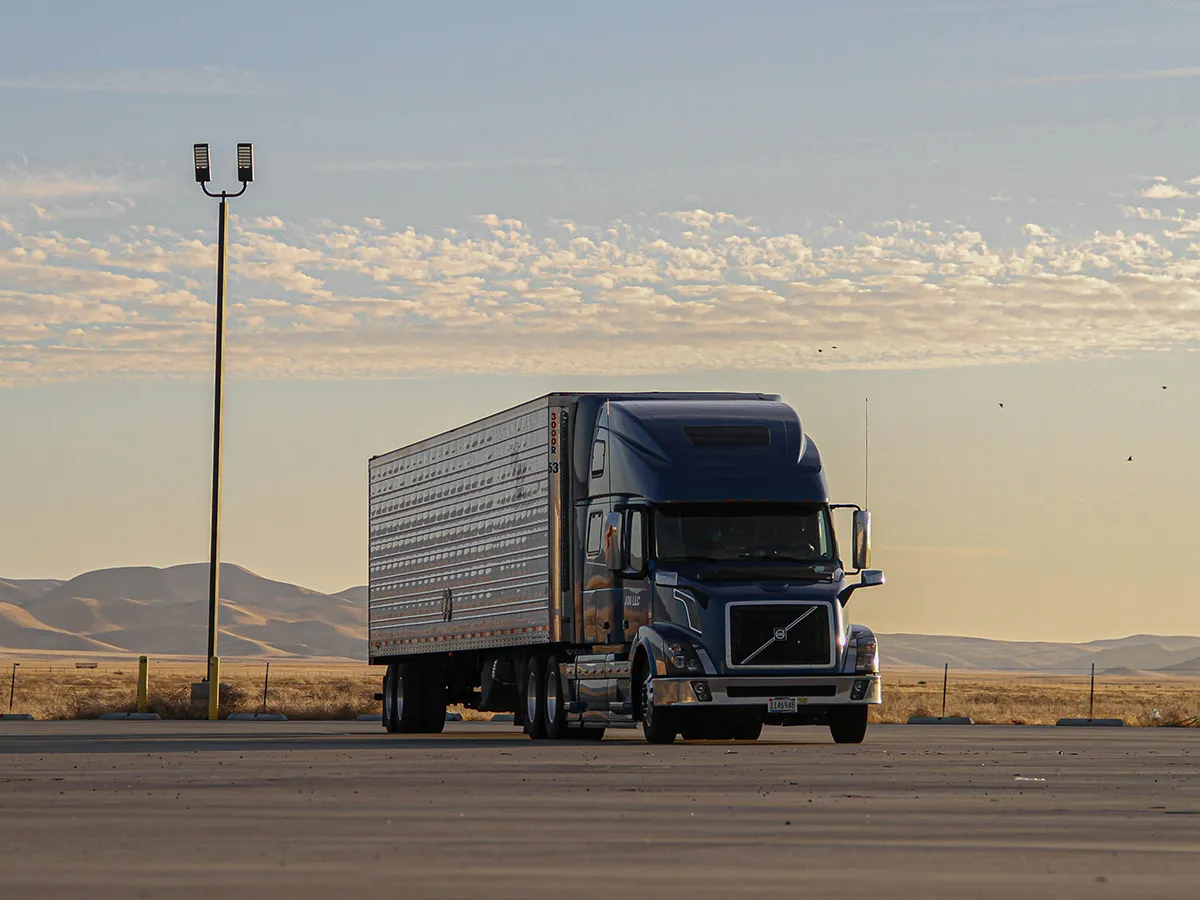
The flow of commerce, from raw materials to consumer products, is reliant on one foundational concept: freight. However, in the logistics industry, the term encompasses far more than just the product itself; it includes the precise planning, documentation, and handling protocols required for successful commercial transit. In major economic hubs, the complexity of this movement defines the essential work of freight companies in Los Angeles.
Understanding the structure of freight is the first step toward optimizing your supply chain, minimizing risk, and securing timely delivery in a demanding market.
Classifying Freight: Size and Mode
Freight is primarily classified by the amount of space it takes up and the method used for its journey.
LTL, FTL, and Volume Freight
The most common distinction in ground transport is based on volume:
- Less-Than-Truckload (LTL): Used for shipments that do not fill an entire trailer. Multiple LTL shipments are consolidated to maximize space, offering a cost-effective solution but often involving multiple stops and longer transit times.
- Full Truckload (FTL): Used when a shipment is large enough to fill a trailer or requires dedicated space. FTL is faster, involves less handling, and is ideal for high-value or fragile goods.
- Volume Freight: A specialized category for LTL shipments that take up a significant portion of a trailer but still do not qualify as FTL.
Multimodal Transport Options
Freight moves across four primary modes: Trucking (the most flexible mode, essential for local and last-mile delivery), Ocean (used for high volume, low-cost international shipments), Air (used for high-value, time-critical goods), and Rail (used for bulk, long-distance haulage). Expert freight companies in Los Angeles excel at coordinating the intermodal transfer between these modes, such as moving containers from the port to rail yards.
Specialized Freight: When Goods Are Non-Standard
A critical category of freight involves items that are too large, too heavy, or too sensitive for standard shipping procedures. This is where specialized logistics partners become essential.
Oversized Loads
Oversized loads refer to shipments that exceed standard size or weight limits for conventional containers or truck trailers. These shipments often include large industrial equipment or heavy machinery that requires specialized trailers, permits, and route planning. Handling oversized freight is a key differentiator between standard carriers and experienced machinery moving companies.
The Rigging and Handling Requirement
Moving a delicate MRI machine or a large manufacturing press requires highly technical lifting and positioning within a facility. The professionals sought after in this capacity are often found by searching for machinery riggers near me, as they use specialized tools like hydraulic gantries and air-ride systems to ensure the asset is managed safely from its foundation to its transport vehicle.
The Crucial Role of Freight Companies in Los Angeles
The capability to safely handle and relocate complex assets is a benchmark for reliable logistics partners. Machinery moving companies provide assurance that costly downtime is minimized and the integrity of the equipment is protected. Their services integrate the specialized crating, permitting, and precision required for the most difficult relocations.
FAQs on Freight and Handling
Here are answers to some of the most fundamental questions regarding commercial goods transport.
How does specialized freight differ in insurance?
Specialized freight requires higher levels of liability and cargo insurance due to the extreme value and fragility of the items being moved. Machinery riggers near me must carry comprehensive rigging insurance to cover the specialized lifting process.
What is a BOL?
A Bill of Lading (BOL) is a required legal document between the shipper and the carrier. It details the freight being transported, its destination, and acts as a title to the goods.
Why do oversized loads require so much planning lead time?
Oversized loads require specialized state and local permits, which can take weeks to process. The process also includes surveying routes for clearances (bridges, utilities) and scheduling required pilot car escorts, necessitating a lengthy planning window.
Securing Your Specialized and Complex Freight
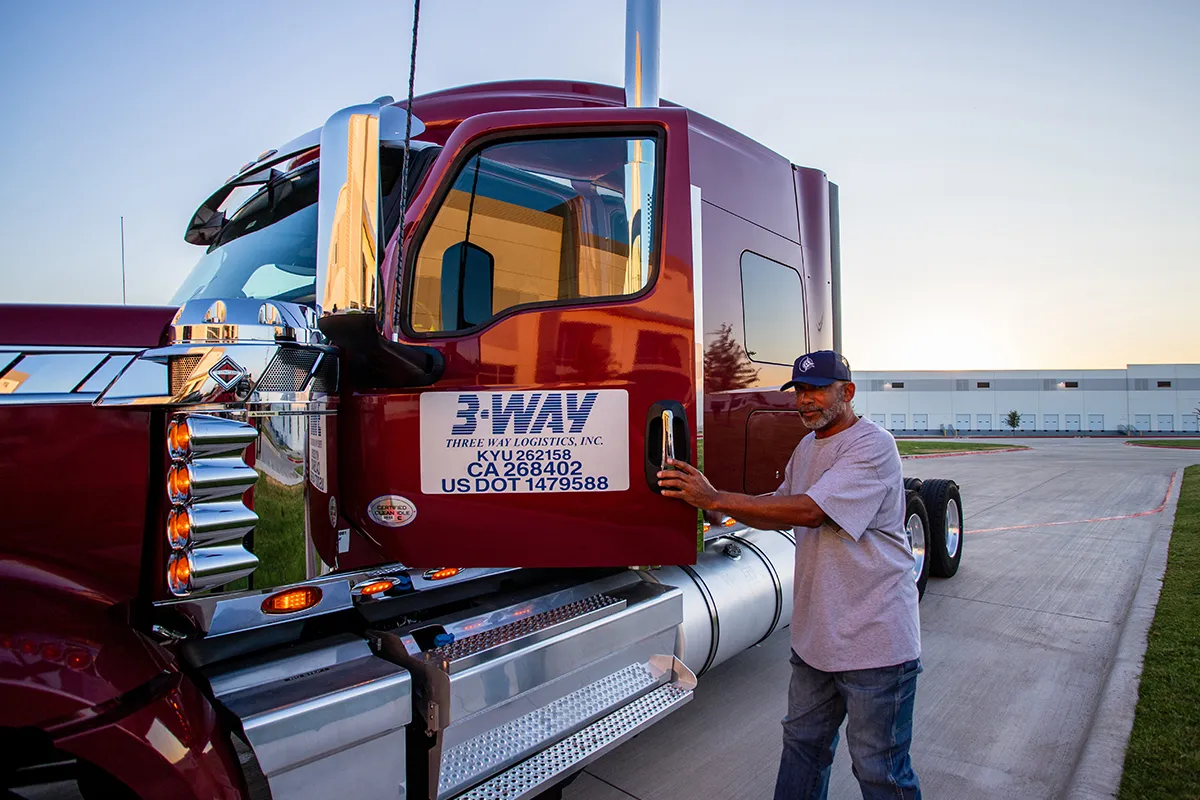
For businesses that demand expertise in every category of freight, from standard LTL to complex project cargo, Three Way Logistics is the clear partner. We are among the most trusted freight companies, delivering specialized services including heavy hauling, intricate rigging, dedicated transportation, and expert crating. Our team is recognized as a leader among machinery moving companies, providing certified personnel to ensure flawless execution for your high-value assets.
Contact us today for a consultation tailored to your unique transport and rigging needs.