
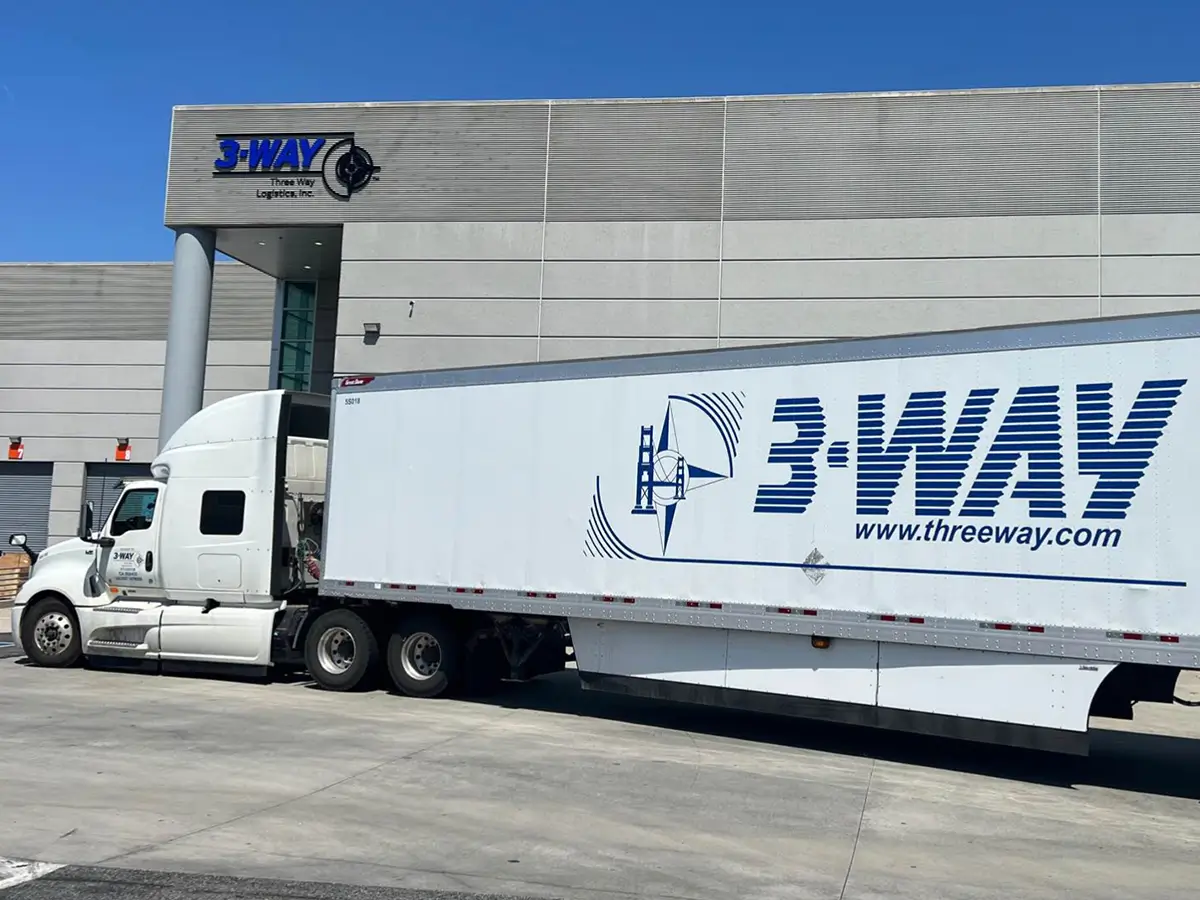
Trade shows operate on tight schedules where timing and coordination matter at every step. Trade show trucking plays a critical role in ensuring your materials not only arrive at the venue but also move efficiently once they get there. Drayage is a key part of that process, connecting inbound delivery with booth setup and outbound shipping.
What Is Trade Show Drayage?
Drayage refers to the movement of freight within a trade show venue, from the loading dock to your booth and back again after the event. It includes unloading, transporting, temporary storage, and reloading.
As part of trade show shipping services, drayage is handled according to venue-specific rules and timelines. This makes preparation essential, as even small errors in labeling or scheduling can disrupt the process.
Different Types of Trade Show Freight
Not all shipments are handled the same way. Understanding the types of trade show freight helps ensure your materials are packed, labeled, and transported correctly.
Common categories include:
- Standard freight: Booth displays, signage, and marketing materials
- Fragile items: Electronics, prototypes, or high-value products
- Oversized freight: Custom exhibits or large equipment
- Crated shipments: Easier to handle and better protected
- Loose or pad-wrapped items: Require additional care and labor
Each type affects how freight moves through the venue and impacts both timing and cost.
The Trade Show Drayage Process
Drayage follows a structured process that must align with event schedules. Timely coordination ensures freight arrives within assigned delivery windows so it can move through each stage without disruption.
A typical process includes:
- Freight arrives at the advance warehouse or show site
- Shipment is checked in and staged at the dock
- Drayage teams transport materials to the booth
- Empty containers are removed and stored
- After the event, freight is returned for outbound shipping
Accuracy at each step ensures freight moves in sequence without disruption to scheduled setup activities.
Advance vs. Direct Shipping: Choosing the Right Approach
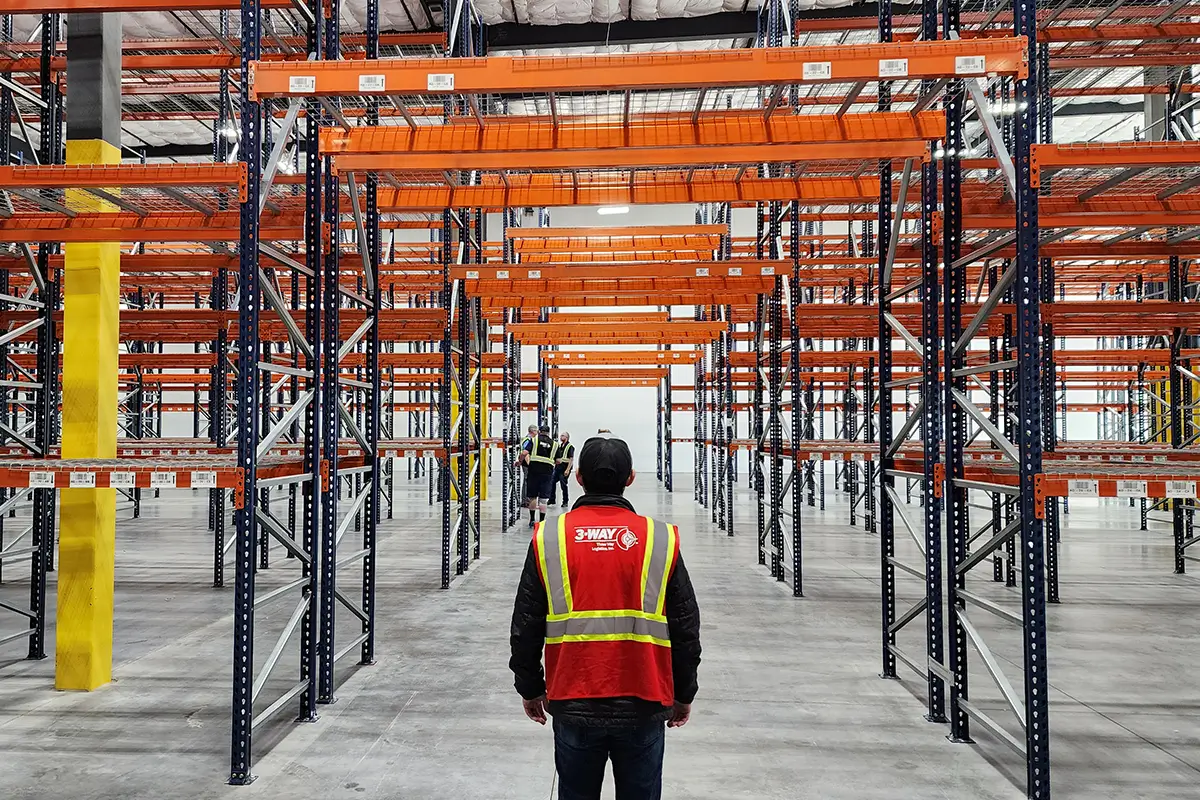
How you ship your materials impacts timing, cost, and overall efficiency. Shipments are typically routed through an advanced warehouse or sent directly to the show site.
Advance Warehouse Shipping
Shipping to an advanced warehouse allows your materials to arrive early and be stored until move-in begins. Best for:
- Flexible delivery timelines
- Avoiding congestion at the venue
- Resolving issues before the event starts
This option reduces pressure during setup and improves overall reliability.
Direct-to-Show Site Shipping
Direct shipping sends your freight straight to the venue during scheduled move-in times. Best for:
- Last-minute shipments
- Items that cannot be stored in advance
- Tight production schedules
This method requires strict adherence to delivery windows, as delays can lead to added costs or rescheduling.
How to Control Trade Show Shipping Costs
Managing costs starts with operational decisions made before your freight arrives. How you package, label, and schedule shipments directly impacts overall handling efficiency.
Key ways to control costs include:
- Consolidate shipments to reduce handling frequency
- Use sturdy crates for efficient movement
- Label all freight clearly with booth details
- Ship early to avoid expedited fees
- Follow assigned delivery schedules closely
These steps help streamline logistics and keep expenses predictable.
How Drayage Costs Are Calculated
Drayage costs are determined by how freight is measured and handled once it reaches the venue. The way your freight is packaged, measured, and handled will directly influence how costs are determined
Key cost factors include:
- Weight (CWT): Charges are often based on weight
- Size and dimensions: Larger items may require special handling
- Packaging type: Crated freight is easier to move than loose items
- Special handling needs: Fragile or oversized shipments increase labor costs
- Timing: Late arrivals may result in additional fees
Planning around these variables helps avoid unexpected charges.
Benefits of Proper Trade Show Logistics Planning
A well-coordinated logistics plan creates consistency across setup and breakdown. When logistics are aligned properly, it reduces last-minute adjustments and keeps operations predictable.
Benefits include:
- On-time delivery aligned with event schedules
- Reduced risk of damage during handling
- Better coordination between inbound and outbound logistics
- Greater visibility and control over shipments
This allows your team to stay focused on the event rather than on logistics issues.
Common Challenges in Trade Show Shipping
Even with preparation, challenges can arise. Working with experienced trade show shipping services providers helps reduce risk and maintain consistency.
Common challenges include:
- Missed delivery windows due to scheduling conflicts
- Congestion at loading docks during peak hours
- Incorrect labeling leading to misplaced freight
- Damage caused by inadequate packaging
Addressing these risks early improves overall execution.
Frequently Asked Questions
Why do exhibitors need material handling?
Material handling is required to move freight from the dock to the booth. Without it, shipments cannot be positioned within the venue. Trade show trucking supports this process by ensuring timely arrival and coordination.
Should you use an advanced warehouse?
It depends on your timeline. Advance warehouses provide flexibility and early issue resolution, while direct shipping requires strict timing but supports last-minute schedules.
How can you reduce drayage costs?
Efficient planning is key. Properly managing the types of trade show freight, along with clear labeling and consolidated shipments, helps reduce handling time and overall costs.
Work With a Logistics Partner That Understands Trade Shows
Trade show logistics require precision, coordination, and experience. At Three Way Logistics, we manage every stage of trade show trucking, ensuring your materials arrive on time and move efficiently through the venue.
Our team delivers reliable trade show shipping services, supporting everything from standard exhibits to complex, high-value freight. We focus on minimizing risk, controlling costs, and keeping your event on track.
If you’re preparing for an upcoming show, connect with us to build a logistics plan that works from start to finish.


