
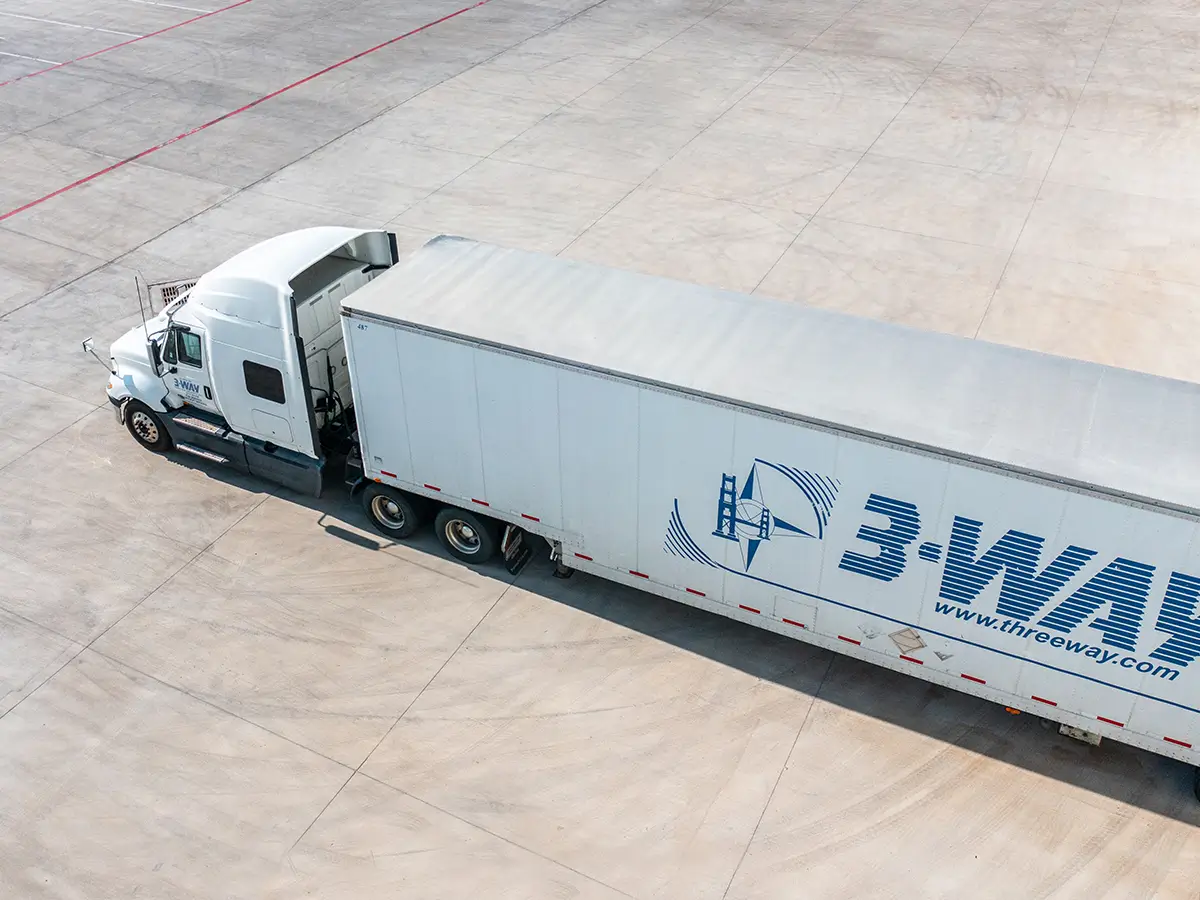
Logistics services cover the planning, coordination, and execution of moving goods, equipment, and materials from one point to another. At their core, they ensure that products arrive safely, on time, and in the right condition. For businesses handling complex equipment, industrial rigging services play a critical role in making that process safe and efficient from start to finish.
Core Components of Logistics Services
Logistics is not a single task—it’s a system of connected functions that keep operations running smoothly. When these components work together, businesses gain better control, visibility, and reliability across their operations.
Transportation and Freight Management
Transportation involves selecting the right mode—truck, rail, air, or ocean—based on timing, cost, and cargo type. Effective supply chain logistics ensures shipments move efficiently while reducing delays and unnecessary expenses.
Warehousing and Inventory Control
Warehousing services provide secure storage and organized inventory systems. This allows businesses to manage stock levels, fulfill orders quickly, and maintain accuracy in distribution.
Specialized Handling and Rigging
Some equipment requires more than standard handling. Industrial rigging focuses on controlled lifting, positioning, and securing assets where accuracy is critical.
Why Logistics Services Matter for Business Operations
Strong logistics services directly impact how efficiently a business operates. Delays, damaged goods, or poor coordination can quickly disrupt productivity and increase costs.
A well-managed logistics strategy supports:
- Operational efficiency through streamlined movement of goods
- Cost control by reducing waste and delays
- Risk reduction with proper handling and planning
- Scalability as business needs grow or change
For companies managing multiple facilities or expansions, plant relocations require careful coordination to avoid downtime and maintain continuity.
Types of Logistics Services Businesses Rely On
Different industries require different logistics solutions. Understanding these categories helps identify what level of support is needed.
1. Inbound and Outbound Logistics
Inbound logistics focuses on receiving materials or equipment, while outbound logistics manages delivery to customers or job sites. Both require a strong supply chain to maintain consistency and timing.
2. Project-Based Logistics
Some operations are not routine. Large-scale moves, installations, or transitions fall into this category. These projects often involve detailed planning, specialized equipment, and experienced teams to manage plant relocations without disrupting production.
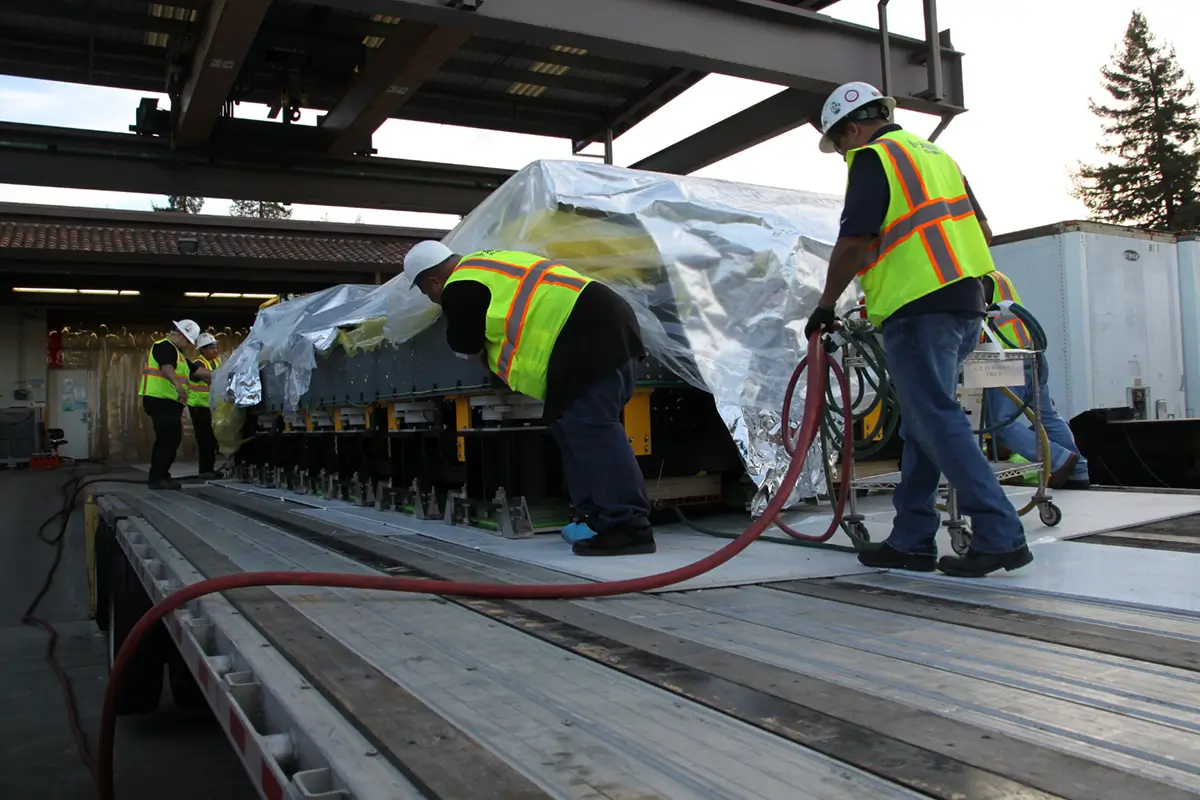
3. Heavy Equipment and Machinery Handling
This type of handling is commonly required during installations, equipment upgrades, or facility changes, where timing and exact placement directly affect operations. Reliable industrial rigging services ensure that each step is handled with accuracy and safety.
Key Factors That Define Effective Logistics Services
Not all logistics providers deliver the same level of service. The difference often comes down to how well they manage complexity and adapt to specific client needs.
Planning and Coordination
Every successful logistics operation starts with a clear plan. This includes route optimization, scheduling, and contingency preparation to handle unexpected changes.
Safety and Compliance
Handling equipment and freight involves strict safety standards. Proper procedures, trained teams, and compliant practices are essential, especially within industrial rigging services where precision is critical.
Technology and Visibility
Modern logistics relies on tracking systems and data insights to maintain control across operations. Tools like a warehouse management system (WMS) provide real-time visibility into inventory, order status, and movement, helping businesses make informed decisions across their supply chain logistics.
Logistics Services for Complex Projects
Some logistics challenges go beyond routine shipping. Large-scale operational changes require a more strategic approach.
Facility Moves and Expansions
Relocating an entire operation involves coordinating equipment, timelines, and teams. Well-executed plant relocations minimize downtime and ensure a smooth transition from one facility to another.
High-Value and Sensitive Equipment
Certain industries rely on equipment that cannot be easily replaced or repaired. Logistics providers must use specialized handling techniques, secure transport methods, and experienced crews to protect these assets.
Frequently Asked Questions
What industries benefit most from logistics services?
Manufacturing, technology, healthcare, and construction industries often rely heavily on structured logistics to manage equipment, materials, and distribution.
When are specialized services required?
Specialized services are needed when handling oversized, fragile, or high-value equipment, or when managing complex moves like facility transitions.
How do logistics services reduce operational risk?
They improve planning, ensure proper handling, and provide oversight at every stage, reducing the chances of delays, damage, or compliance issues.
Choosing the Right Logistics Partner
Logistics services are the backbone of efficient operations, especially for businesses managing complex equipment and time-sensitive projects. From coordinated logistics to precise industrial rigging services, the right approach makes a measurable difference in performance and reliability.
At Three Way Logistics, we bring together transportation, warehousing, rigging, and project management into a single, integrated solution. Our team understands the demands of high-value equipment and complex moves, and we approach every project with a focus on safety, precision, and efficiency.
If you’re planning a move, managing equipment, or looking to improve your logistics strategy, we’re here to help you move forward with confidence.